
Cash Flow Hedge: Managing Financial Risk Simplified
For example, a company can use an interest rate swap to convert floating rate debt to fixed rate debt, which is a type of cash flow hedge. Unlike the purchase of a put option, there is no value recorded for a forward contract at the time of execution since this is a fully executory contract, involving no exchange of assets or other action between the parties. ACCOUNTING TREATMENTFinancial accounting for derivatives takes a fair value approach. The gain or loss on the derivative generally offsets the loss or gain on the risk exposure. The accounting treatment depends on whether it qualifies as a hedging instrument and, if so, on the designated reason for holding it (FASB Statement no. 133, Accounting for Derivative Instruments and Hedging Activities, paragraph 18).
Key takeaway:

Stay ahead of 2025 UK payroll legislation changes, including NIC, NMW, SSP & SMP updates. Discover how to sell accounting advisory services and add value with strategic insights. These legislative changes represent some of the most comprehensive tax cash flow hedge vs fair value hedge updates in recent years, affecting both individual and corporate taxpayers. HighRadius is redefining treasury with AI-driven tools like LiveCube for predictive forecasting and no-code scenario building.

Subscribe to the IFRS® Perspectives Newsletter
For example, if the hedging instrument loses value, you debit the Other Comprehensive Income account and credit the Derivative Liability account, as shown in Example 5. Net investment hedges are used to mitigate exposure to changes in the value of a foreign operation. Learn how to use P&L statements to monitor profits, control costs, and drive financial growth. Learn how payroll cash flow forecasting helps SMEs manage rising costs, prevent cash shortfalls, and ensure timely staff payments with smart planning. Normal accounting reflects the financial position and performance of the company based on its business transactions. If the fair value of the raw material inventory decreases to $80,000 as anticipated, the value of the futures contract will increase, offsetting the decrease in the inventory’s value.

More articles on Cash Flow Forecasting
Much like an umbrella shields you during a rainstorm, hedging safeguards your business against unexpected financial shifts. Companies use various instruments to mitigate risk, from derivatives to forward contracts. Cash flow hedges are used to minimize the risk of future cash flow fluctuations arising from an already-held asset or liability or a planned transaction.
ECONOMIC HEDGES ARE DIFFERENT FROM ACCOUNTING HEDGES
A gain of $5,270 is recognized in other comprehensive income, and a loss of $195 ($5,270 − $5,075) is recognized in earnings in the same line of the income statement as the foreign currency exchange loss on the underlying payable. The portion of the gain on the forward contract equal to the $5,270 loss on the payable is reclassified out of other comprehensive income into earnings in the same line of the income statement as the foreign currency exchange loss on the payable. A fair value hedge is a hedge of the exposure to changes in the fair value of a recognized asset or liability, or an unrecognized firm commitment, that is attributable to a particular risk. For example, if you have a fixed-rate loan, you may use a fair value hedge to protect yourself from the risk of changes in interest rates.
- Fair value hedges directly affect the income statement each period, while cash flow hedges initially affect OCI.
- Another type of hedging instrument is an interest rate swap, which allows a company to swap variable rate interest payments on debt for fixed rate payments.
- In a cash flow hedge, a company enters into a derivative contract to offset the risk of a specific future cash flow.
- Unlike the purchase of a put option, there is no value recorded for a forward contract at the time of execution since this is a fully executory contract, involving no exchange of assets or other action between the parties.
- Understanding the difference between these two hedges is crucial for effective risk management.
- Companies may enter into cash flow hedges to manage operational cash flows and fair value hedges to manage future values of assets.
- The entity now knows upfront what its interest payments on the debt and derivative together are going to be over the term of the debt, and it has economically managed and mitigated interest rate variability by fixing the rate.
Derivatives and Hedging: Accounting vs. Taxation
Nevertheless, use of the shortcut method in fair value hedges has remained very popular due its accounting simplicity and lower administrative burden. In the present case, a change in the cash flow of cotton purchase (hedged item) is offset totally by forwarding contract cash flow (hedging instrument), making hedging 100% effective. Here, a forward contract is a hedging instrument, and the hedging is effective only if changes in the cash flow of hedged instruments and hedging offset each other. On the other hand, if changes in the cash flow of hedged instruments and hedging do not offset Payroll Taxes each, then hedging will be considered ineffective. IFRS 9 does not permit voluntary dedesignation of a hedge accounting relationship that remains consistent with its risk management objectives.
Management
Hedge accounting can be complex, but it's essential for companies to understand how to manage their risks. By using financial instruments like futures contracts, companies can lock in the value of their assets and reduce their exposure to market fluctuations. Companies need to provide formal documentation and designation of hedged items, hedging instruments, nature of the risk being hedged, and their risk management strategy.

- This is exactly what a coffee producer might do to protect themselves against future price hikes.
- Fair value hedges, on the other hand, are used to mitigate the exposure to variability in the value of an asset or liability.
- For example, if a company needs to buy large quantities of gasoline to sustain its business activities, it could be smart risk management to hedge against an unexpected rise in gasoline prices.
- Foreign exchange gains or losses on the loan are recorded in OCI and accumulate in the cumulative translation adjustment.
- Purchase a put option to sell €2 million on 2-01-X2, designating the transaction as a cash flow hedge, or hedge of variable cash flows.
- They also specify the accounting treatment for the different types of hedges, ensuring the financial statements reflect the economic effects of hedging activities.
A multi-national corporation, on the other hand, could hedge against currency swings that affect international operations. Fair value hedges are employed to offset changes in the fair value of assets or liabilities. For example, a company holding fixed-rate debt may use an interest rate swap to receive fixed and pay variable rates, mitigating the risk of the debt’s fair value declining due to rising interest rates. Fair value hedgesOn the other hand, a fair value hedge is a type of hedging instrument designed to limit exposure to changes in the value of an asset or liability. For example, if your company owns a large stock portfolio, you could buy put options on the stocks in the portfolio.
Both hedge types require rigorous documentation and effectiveness testing, but the choice ultimately depends on whether you prioritize cash flow stability or payroll balance sheet protection. This small mismatch is called hedge ineffectiveness, and it's completely normal. Perfect hedges rarely exist in the real world, but even an imperfect hedge can provide significant protection against interest rate movements. Fair value hedges help investment managers neutralize these movements by pairing bonds with derivatives that respond inversely to rate changes, maintaining portfolio stability. A fair value hedge is an accounting technique that companies use to protect themselves from changes in the value of assets or liabilities they already have on their books.
Curate your Own Account Hedging Strategy via HighRadius Cash Forecasting Software
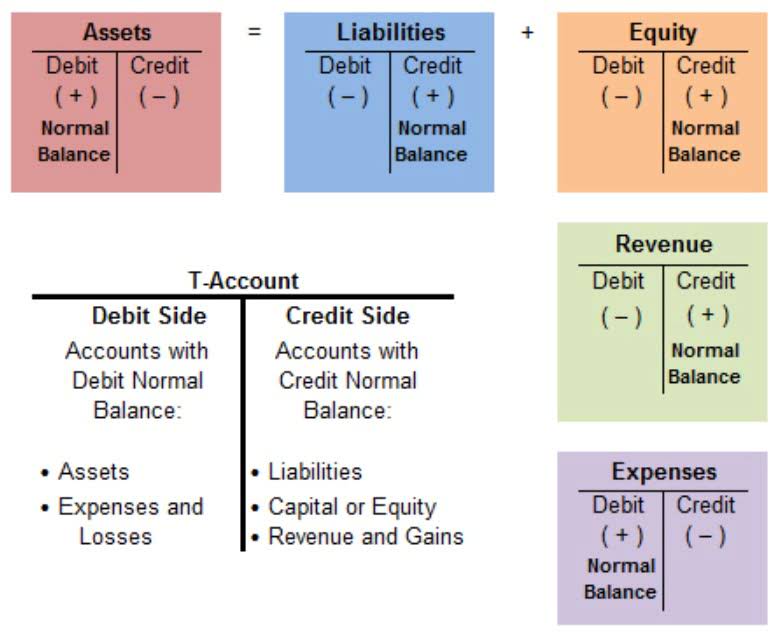
To calculate hedge effectiveness, an economic relationship must exist between the hedging instrument and the hedged item. The hedge accounting process involves listing investments and their corresponding hedges in a credit-debit system, similar to income and expenses. This is done to accurately record the transactions and move them to the financial statements at the end of the accounting period. For cash flow hedges, designated hedged risk can be based on interest rates that are contractually specified in addition to benchmark interest rates (LIBOR, U.S. Treasury, Federal Funds Effective rate), including prime, with appropriate documentation.